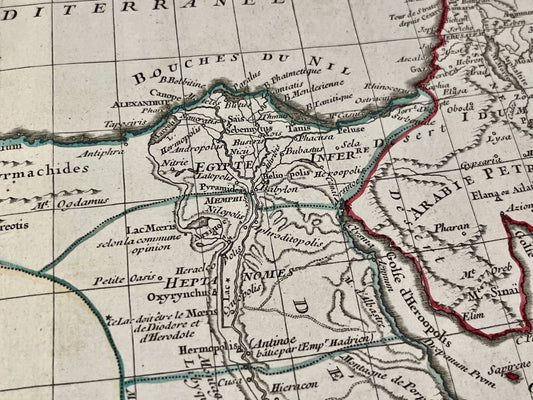
The reformer of modern cartography
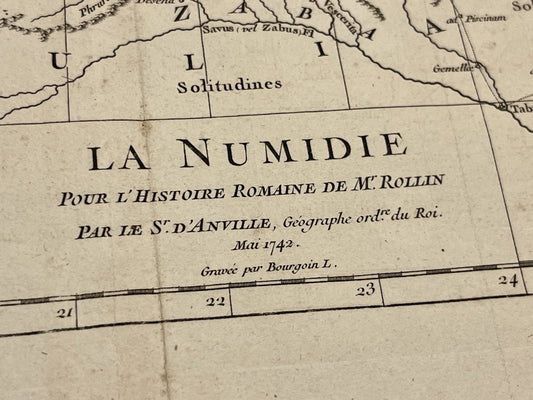
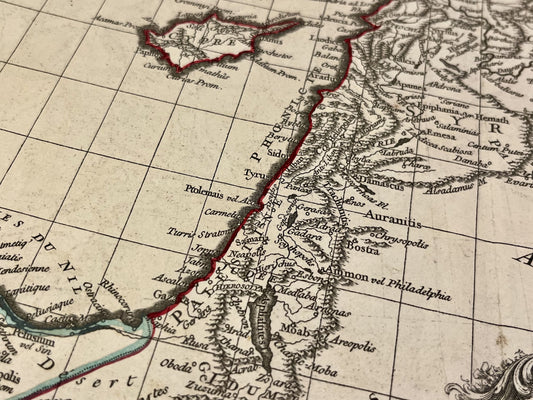
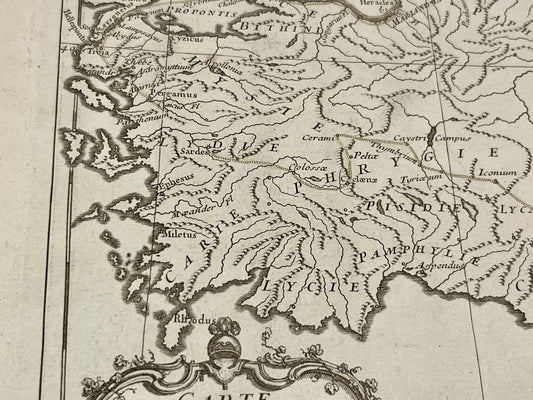
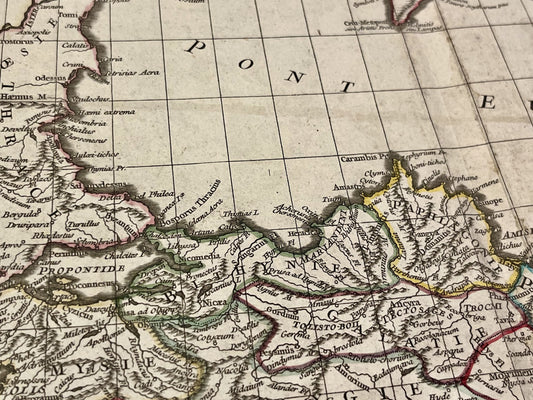
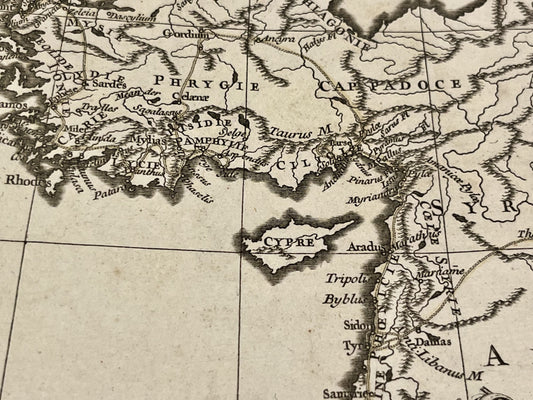
Born in Paris on July 11, 1697, Jean-Baptiste Bourguignon d'Anville showed an early interest in geography, composing a map of ancient Greece at the age of 15 (Graecia VetusAppointed geographer to the king at only 21 years old, he broke with the practices of his predecessors by refusing to blindly copy old maps.
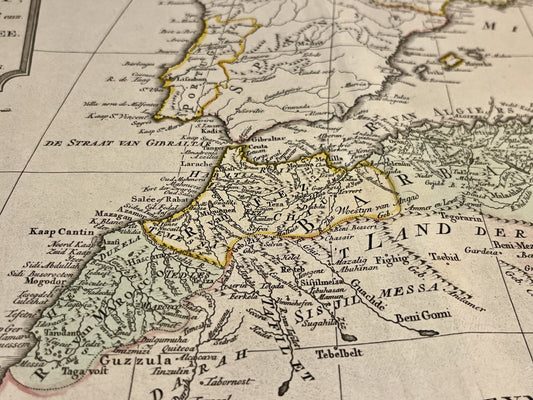
His method relied on a critical study of sources and the use of the most recent discoveries. D'Anville is famous for leaving blank areas for which he had no reliable data, a practice that marked the transition to modern and "scientific" cartography. He trained the young Louis XV in this discipline and benefited throughout his career from the support of the Duke of Orléans' family.
A prolific body of work and prestigious institutions
Throughout his life, he produced over 211 maps and published 78 geographical treatises. His influence extended worldwide thanks to his seminal works:
- THENew Atlas of China(1735), drawn up for the work of Jean-Baptiste Du Halde, which remained the reference until the 19th century.
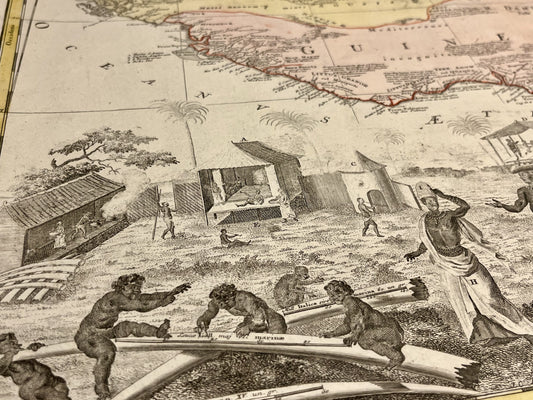
- Major wall maps of Africa (1749), Asia (1751) and North America (1746).
- L'General Atlaspublished in 1737.
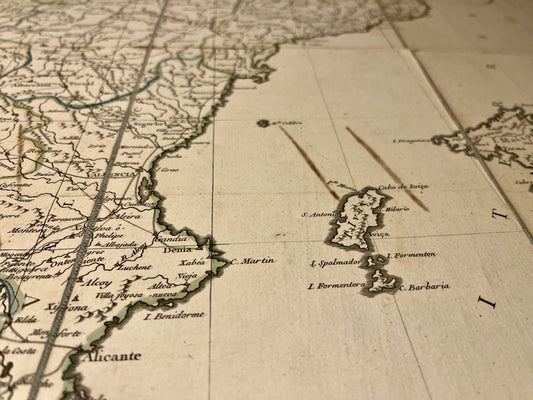
D'Anville was assisted in the ornamentation of his maps (cartouches and borders) by his brother, the illustrator Hubert-François Bourguignon Gravelot. His maps were engraved with extreme precision by Guillaume-Nicolas Delahaye.
A scholarly legacy
Elected to the Academy of Inscriptions and Belles-Lettres in 1754, then to the Academy of Sciences in 1773, he became First Geographer to the King after the death of Philippe Buache His personal collection of nearly 10,500 cartographic documents, acquired by the king in 1779, is today one of the jewels of the maps and plans department of the National Library of France.
Jean-Baptiste d'Anville died in Paris on January 28, 1782, at the age of 84. Several places and tributes now bear his name, including a lunar crater and a street in Paris.