The birth of scientific cartography
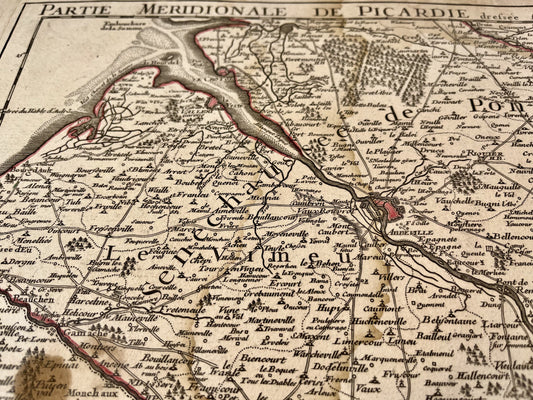
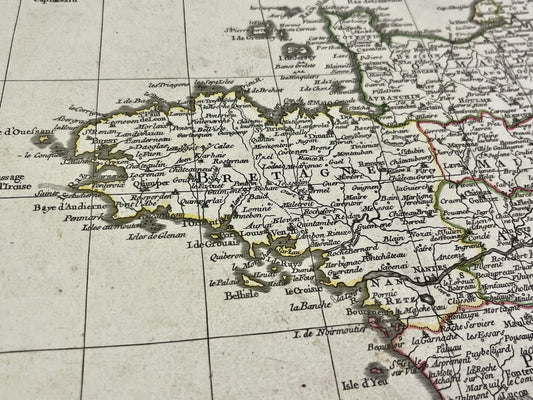
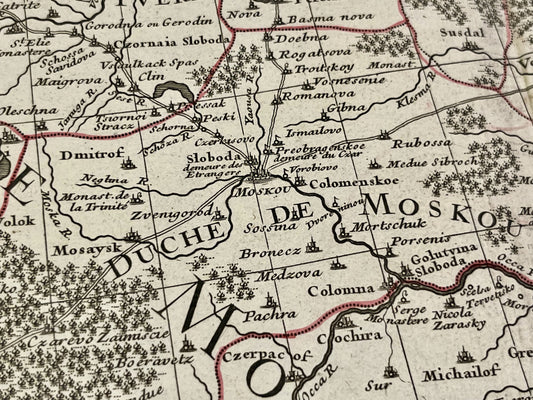
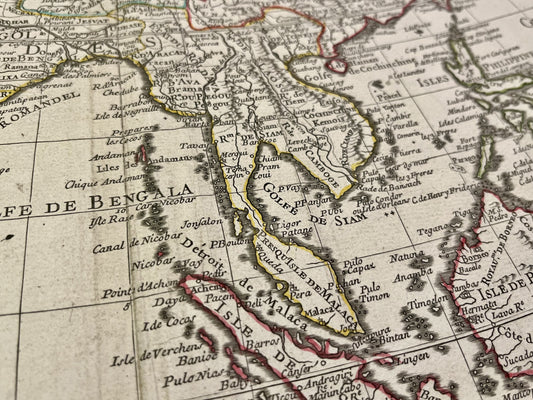
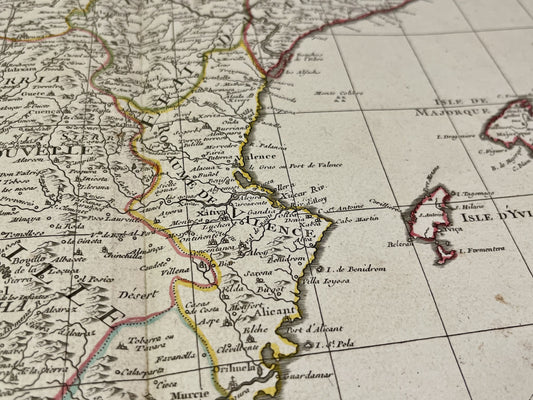
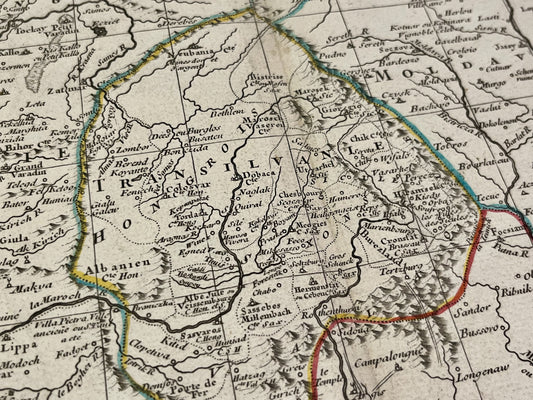
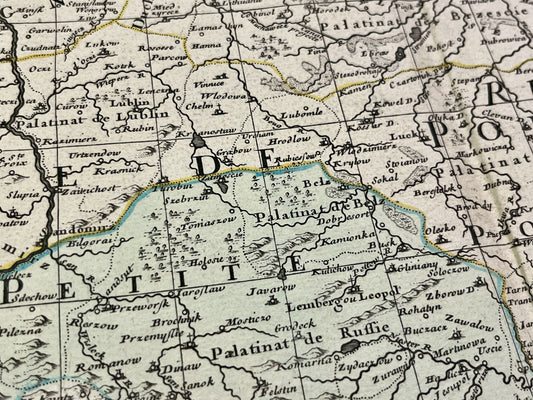
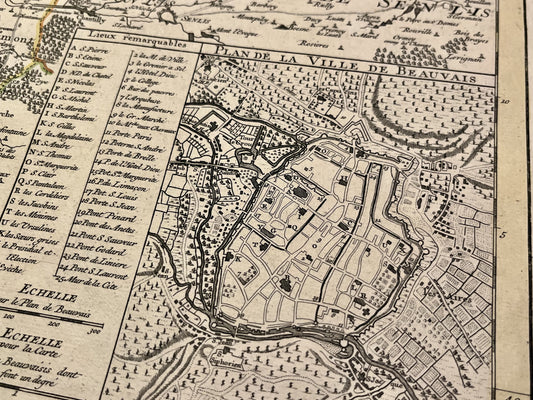
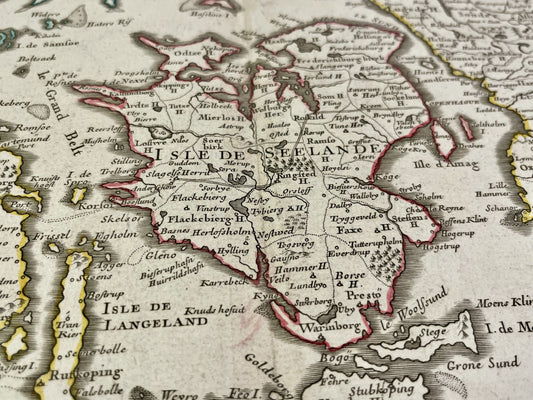
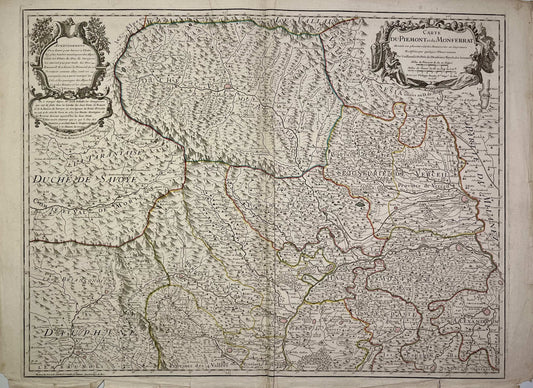
Guillaume Delisle (or de l'Isle), born in Paris on February 28, 1675, grew up in an environment conducive to geographical studies. Son of Claude Delisle and educated by the astronomer Jean-Dominique Cassini, he published his first major works, the World map and the Map of the continents, from the age of 25 in 1700. Unlike his predecessors, he refused to blindly copy existing maps and relied on the latest astronomical measurements to correct the dimensions of the Earth. In particular, he reduced the longitudinal extent of the Mediterranean and corrected the shape of Italy in his maps.
The King's First Geographer
Guillaume Delisle's reputation allowed him to enter the Royal Academy of Sciences in 1702. His influence grew when he became the geography tutor of the young Louis XV, who created the title of "First Geographer to the King" specifically for him in 1718. This prestigious position conferred upon him both academic and royal authority, enabling him to advise the crown on territorial matters. His work is characterized by a rare intellectual honesty: when a region had not yet been explored, he preferred to leave a blank space on his maps rather than fill the void with imaginary or mythical details.
Maps of America and Family Heritage
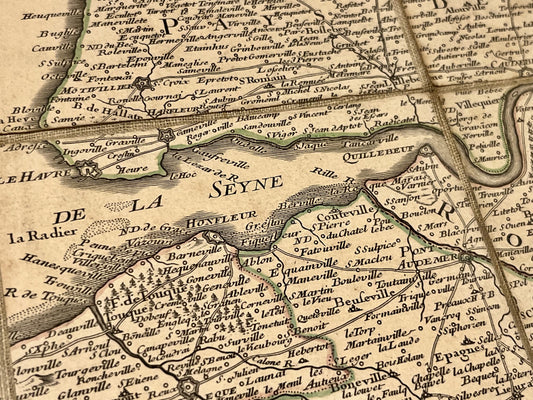
Delisle produced maps that were fundamental to understanding the New World, notably the Map of Mexico and Florida (1703) and the Map of Louisiana and the course of the Mississippi (1718), who was the first to correctly name the Texas River. After his death on January 25, 1726, his work was continued by his widow and son-in-law Philippe Buache. Subsequently, Delisle's copper plates were acquired by the publisher JB Elwe, before joining the Dezauche family collection, ensuring the dissemination of his works throughout the 18th century.