An heir to the French geographical tradition
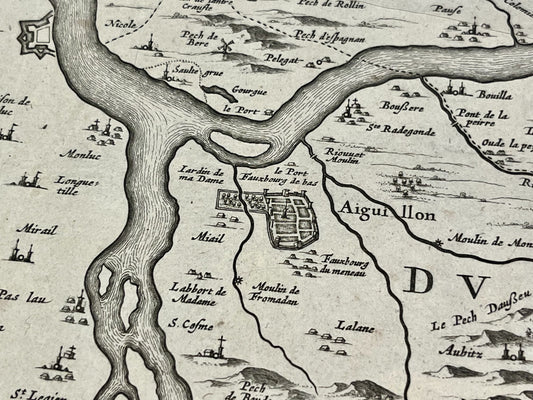
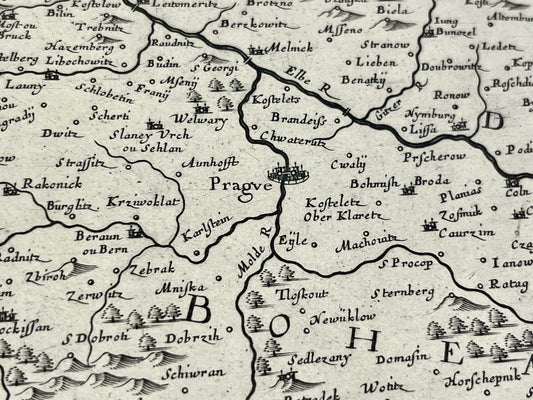
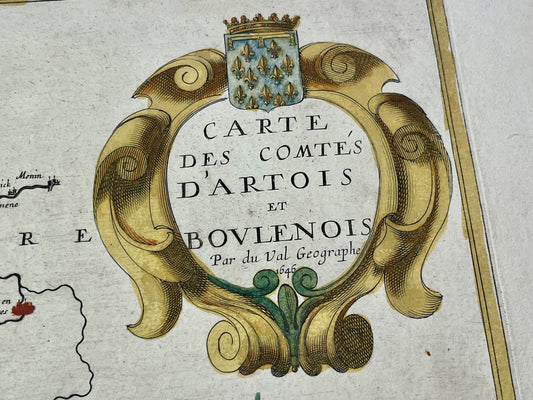
Pierre Duval, born in Abbeville in 1618 and died in Paris in 1683, was the nephew and pupil of Nicolas Sanson. He is considered the father of French geography. Settling in Paris, he obtained the prestigious title of "Geographer-in-Ordinary to the King" in 1650. This position allowed him to benefit from his uncle's work while developing his own method. His activity focused on creating maps, atlases, and treatises designed to make geography accessible and educational.
A prolific and educational cartographic production
Pierre Duval's work is distinguished by its wide variety of formats and subjects. He is the author of numerous landmark works, such as "La Géographie Françoise" and "Le Monde ou la Géographie Universelle," published in 1660. His catalog also includes geographical games, road maps, and city plans. Duval particularly excelled in the production of small-format maps, often compiled into pocket atlases, which greatly contributed to popularizing the discipline among a wider audience.
Innovations and knowledge dissemination
Beyond mere cartography, Pierre Duval innovated by offering learning tools, such as chronological tables and methods for easily learning geography. His work covers the entire known world, including detailed representations of the continents, as well as thematic maps of bishoprics and religious orders. After his death in 1683, his enterprise was continued by his widow, Marie Desmaretz, and his daughters, who continued to publish his maps under the imprint "De l'Isle du Palais." His plates continued to influence Parisian cartographic publishing long after his passing.