Origins and Rise of Nicolas Sanson
Born on December 20, 1600, in Abbeville, Nicolas Sanson came from a family of Scottish origin. After studying at the Jesuit college in Amiens, he began his career as a historian before turning to cartography to illustrate his research. His talent attracted the attention of Louis XIII, who appointed him Royal Geographer. In this role, he instructed the sovereign and Louis XIV in geography and advised the Crown on royal cartographic archives.
A Work Dedicated to Geographical Precision
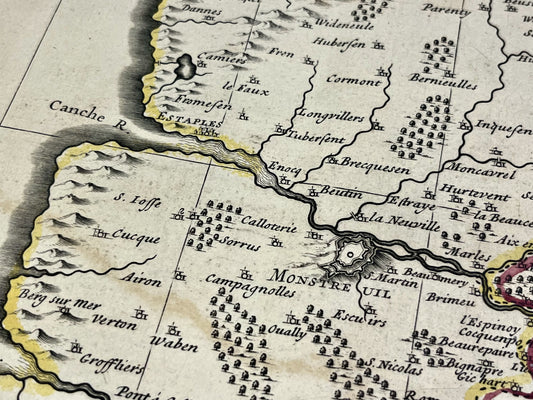
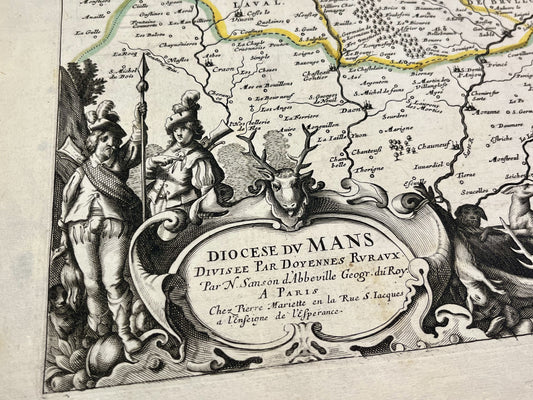
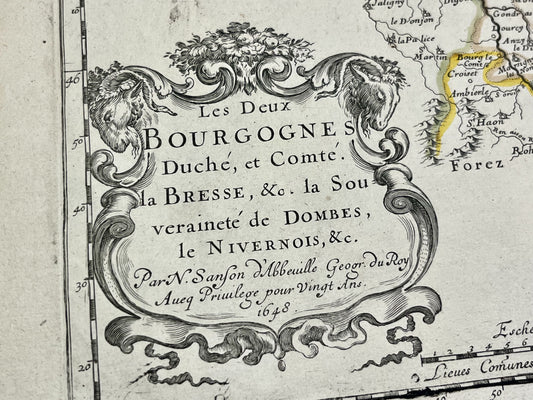
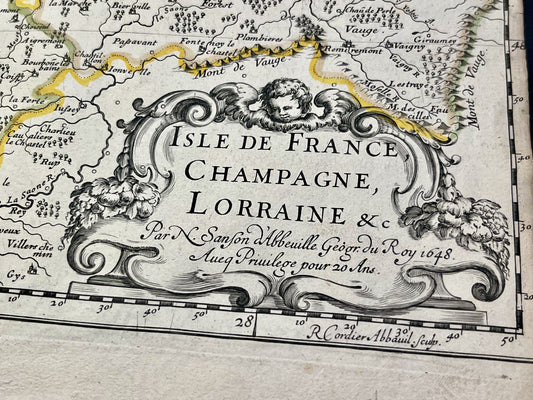
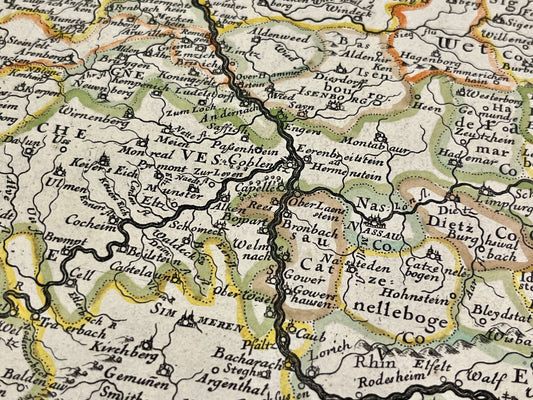
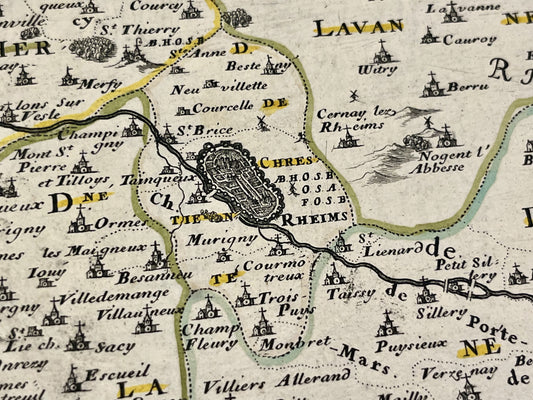
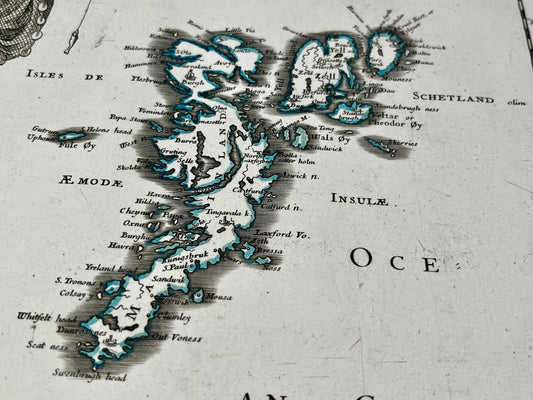
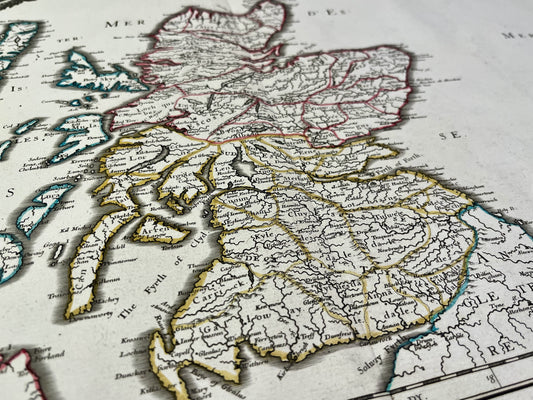
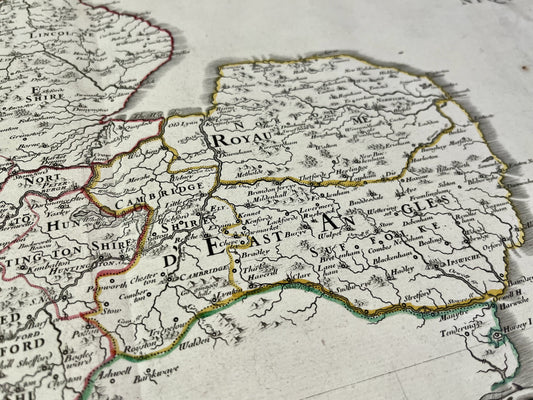
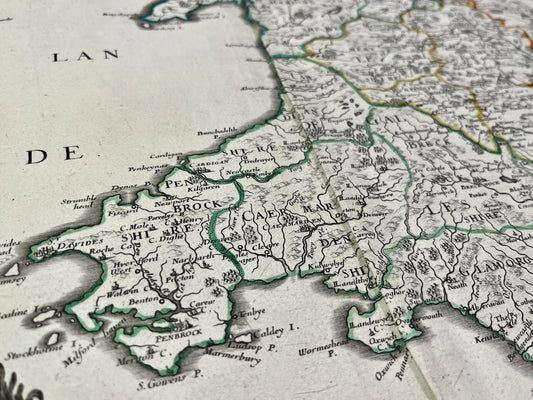
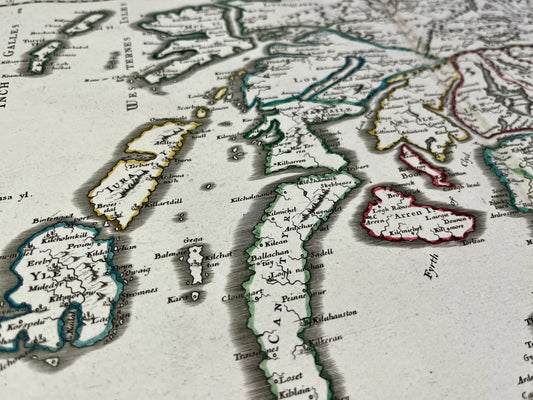
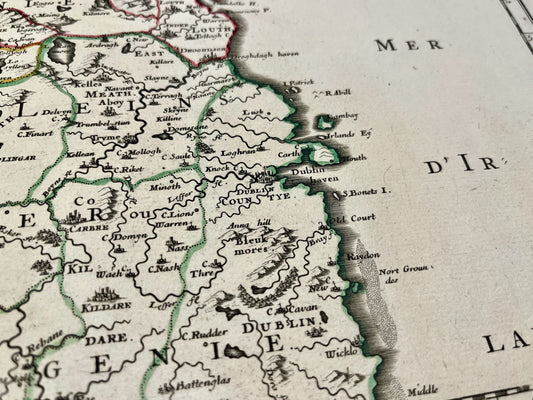
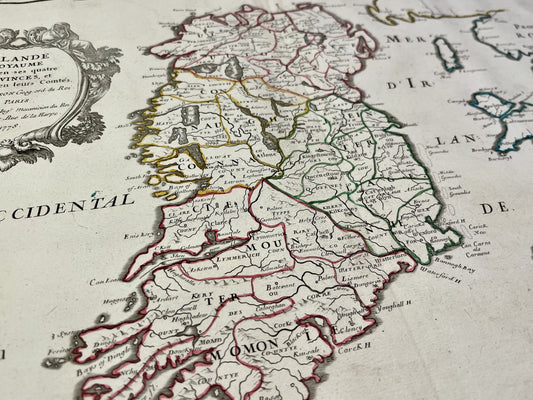
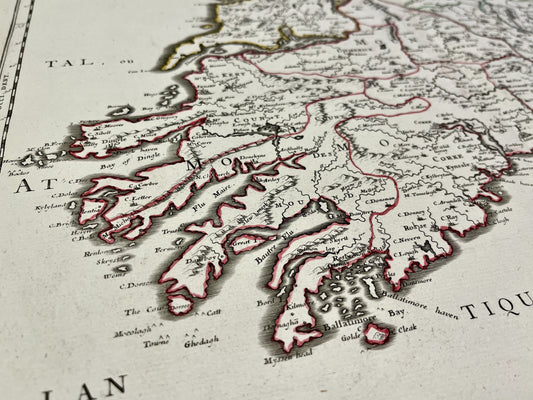
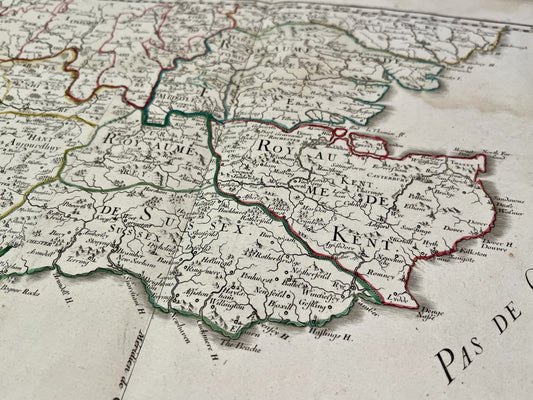
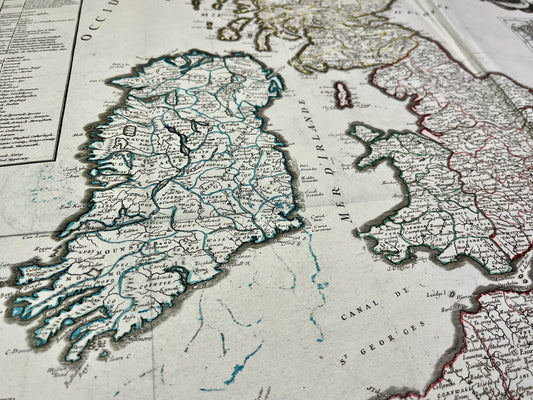
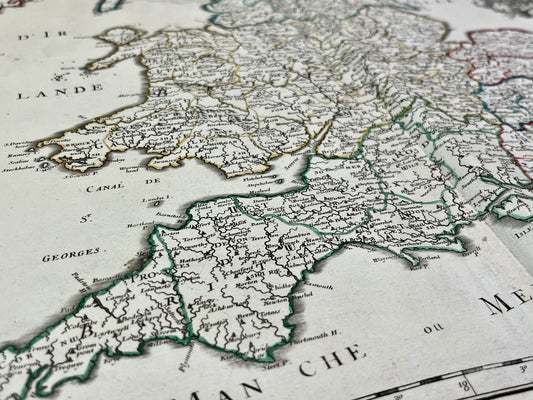
Nicolas Sanson broke with the decorative conventions of the Dutch school to adopt a "positivist" approach, focused on rigor and accuracy. In 1644, he partnered with the publisher Pierre Mariette to publish a massive production of maps. His body of work includes around three hundred pieces, including the major collection Cartes générales de toutes les parties du monde (General Maps of All Parts of the World) (1658). Among his notable works are maps of North America, such as Amérique Septentrionale (North America) (1650) and Le Canada ou Nouvelle France (Canada or New France) (1656), which incorporated the discoveries of French missionaries.
Collaborations and Family Legacy
Nicolas Sanson's influence also rests on his partnerships and lineage. In addition to his association with Pierre Mariette, he worked with the publisher Melchior Tavernier for his first important publications, such as Postes de France (Posts of France) (1632). Upon his death on July 7, 1667, in Paris, his sons Guillaume and Adrien Sanson took over his business. His maps continued to be published without updates by his descendants, before his collection was compiled by Alexis-Hubert Jaillot in the Atlas nouveau (New Atlas) in 1692. His method profoundly influenced cartographers such as Gilles Robert de Vaugondy and Guillaume Delisle.