A publishing dynasty and the partnership with Nicolas Sanson
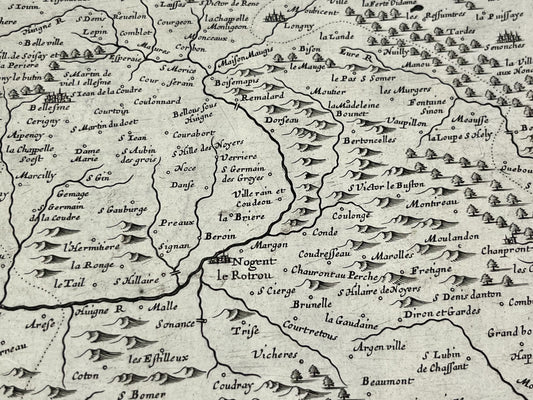
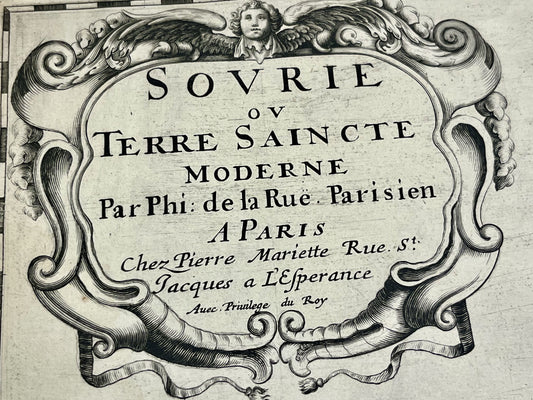
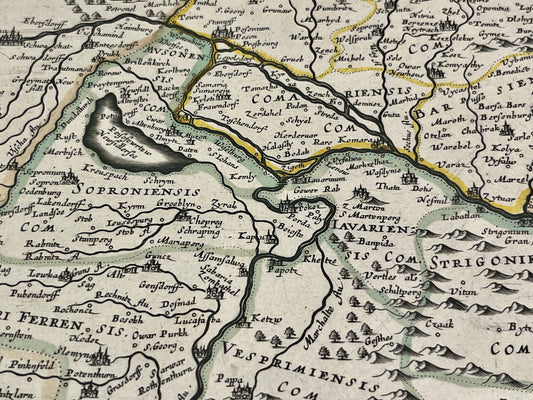
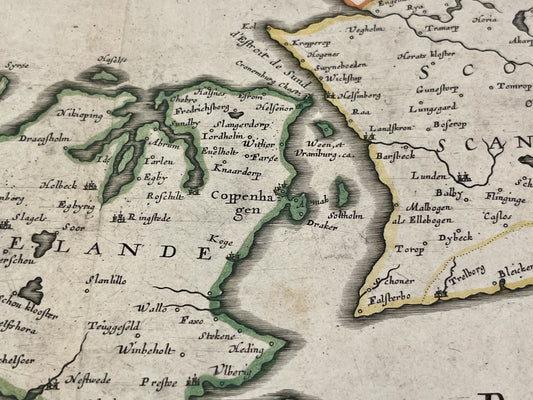
Pierre Mariette (c. 1603–1657), often referred to as Pierre Mariette I, was a print dealer and publisher whose activities marked the reign of Louis XIII and the beginning of that of Louis XIV. In 1644, he made a strategic acquisition by purchasing the stock of Melchior Tavernier. His most significant contribution to cartography, however, remains his association with Nicolas Sanson from 1648. This partnership, which lasted more than twenty years, enabled the publication of the "General Maps of all parts of the world", laying the foundations of the French positivist cartographic tradition.
Pierre II Mariette and the expansion of the geographical fund
Upon the death of Pierre I in 1657, his son Pierre II Mariette (1634–1716) took over the reins of the family business located on Rue Saint-Jacques, under the sign of L'Espérance. In 1655, he had already strengthened his position by marrying the widow of the publisher François Langlois, thus acquiring his business. He continued and intensified the collaboration with the Sanson family, obtaining in 1662 the exclusive right to engrave and print maps and treatises of Nicolas Sanson. This period saw the publication of comprehensive atlases covering Europe, Asia, Africa, and America.
Conflicts and the legacy of a prestigious collection
However, the relationship between the Mariette and Sanson families deteriorated after the death of Nicolas Sanson. In 1667, a major dispute erupted with Guillaume Sanson in 1671, leading the latter to leave the workshop and join Alexis-Hubert Jaillot. The Mariette family retained a large part of the geographical collection, which they continued to exploit before it was finally bought back in 1716. The Mariette lineage also distinguished itself later with Pierre-Jean Mariette (1694–1774), grandson of Pierre II, who became one of the most famous collectors and art historians of the 18th century.