A scientist in the service of the Navy and the King
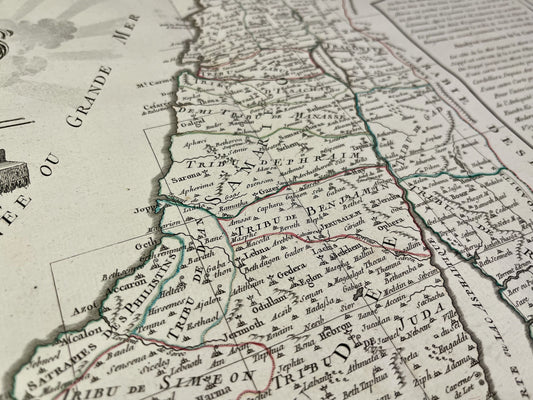
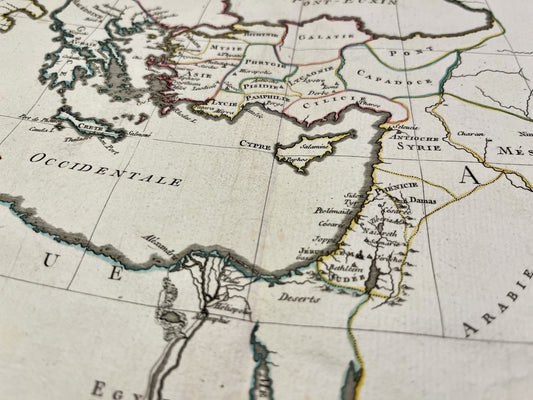
Born in the Ardennes, Rigobert Bonne distinguished himself through his mathematical skills before becoming one of the most prolific cartographers of the 18th century. Succeeding Jacques-Nicolas Bellin, he held the prestigious position of Hydrographer at the Dépôt des cartes et plans de la Marine from 1773. This strategic position allowed him access to the most recent and accurate surveys of the time, making him the main authority for updating French geographical knowledge, particularly regarding coasts and maritime territories.
A monumental contribution to geographical publishing
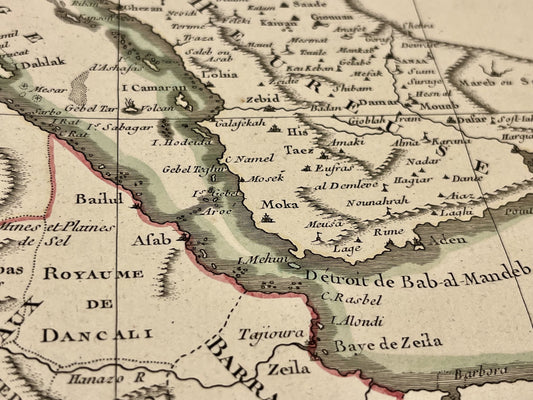
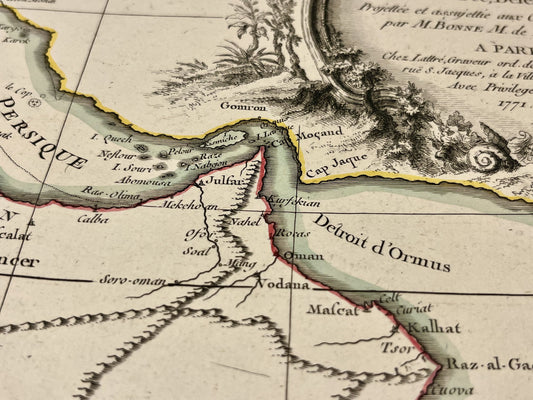
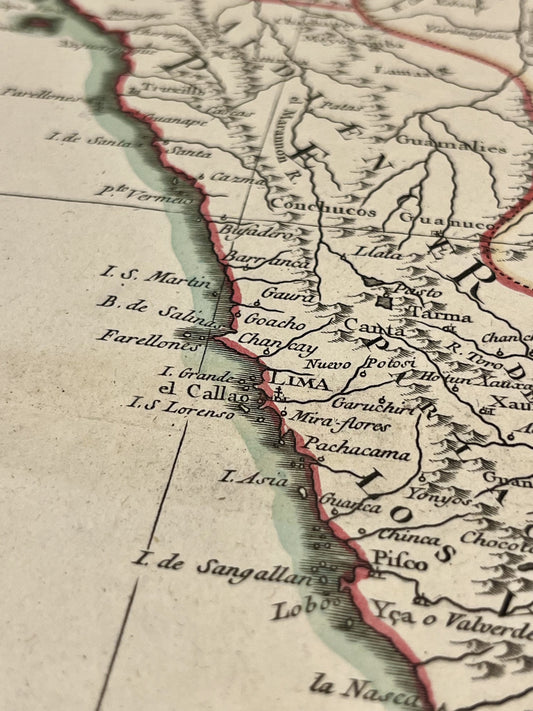
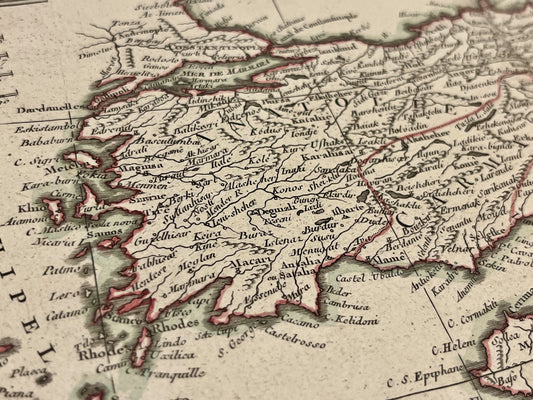
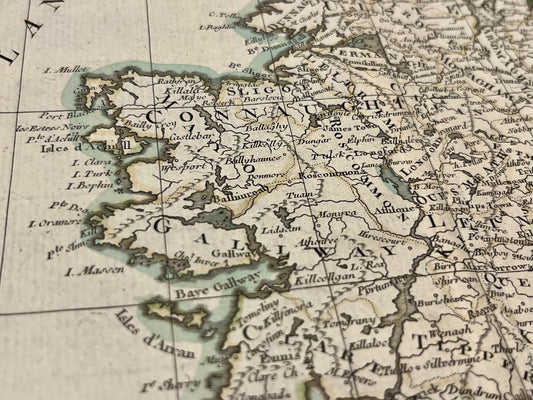
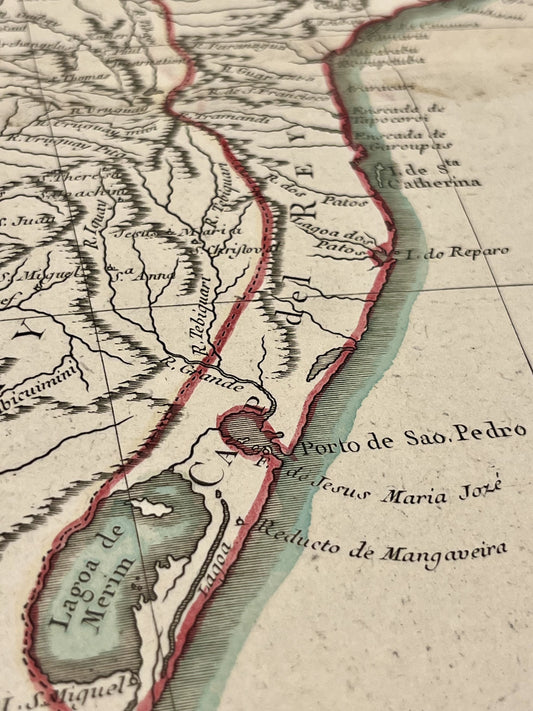
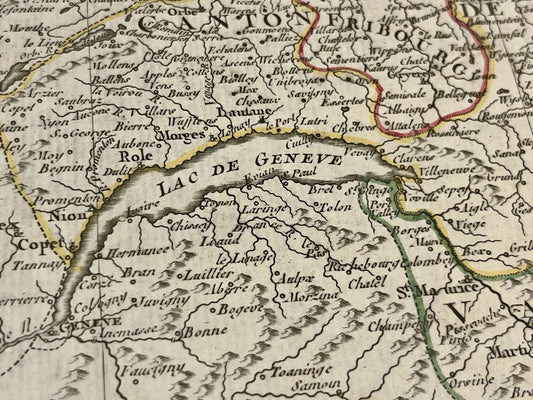
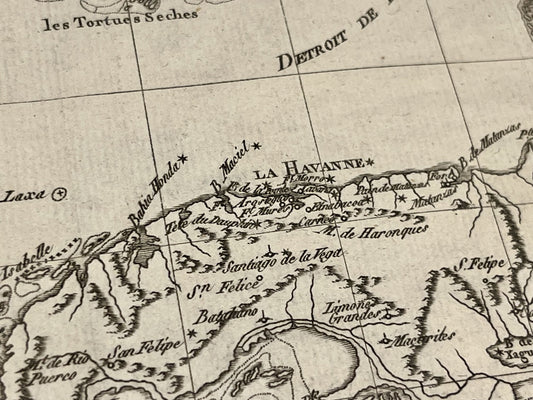
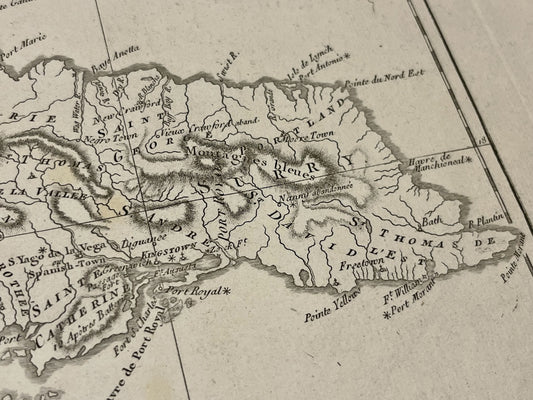
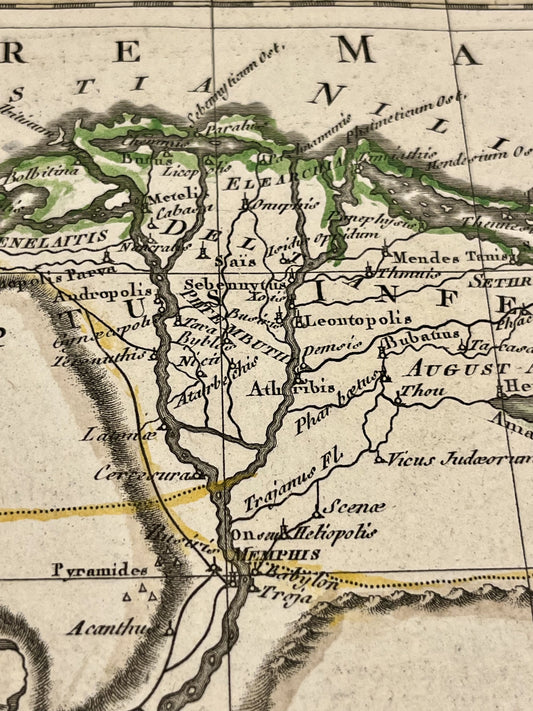
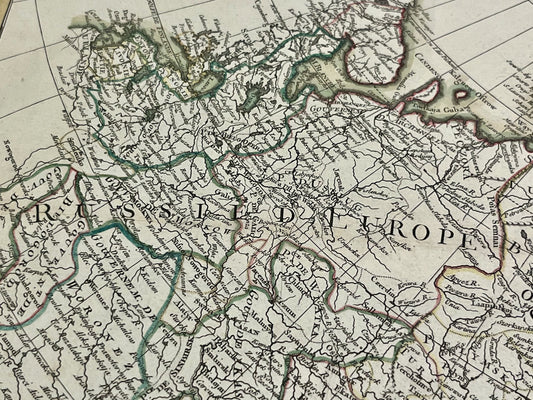
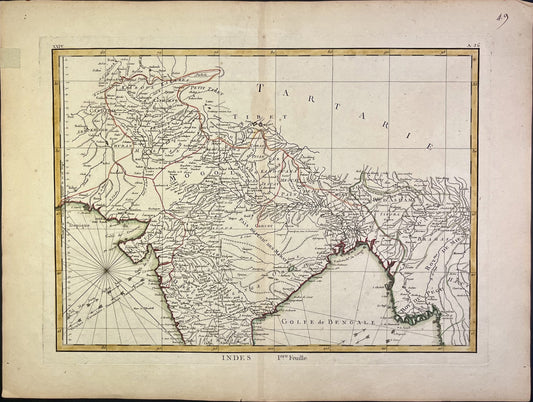
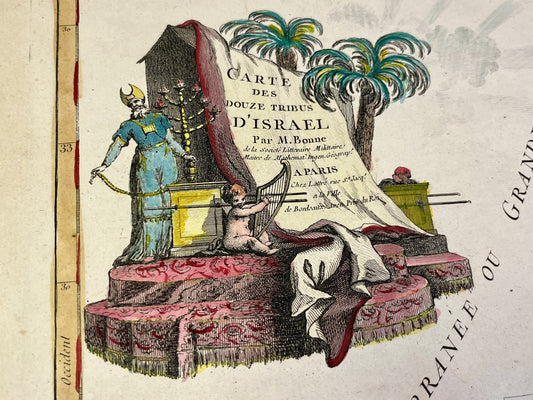
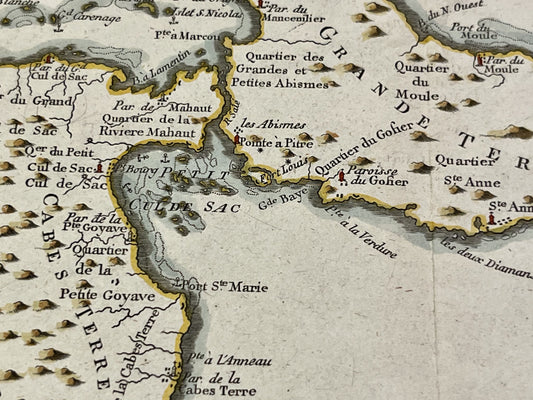
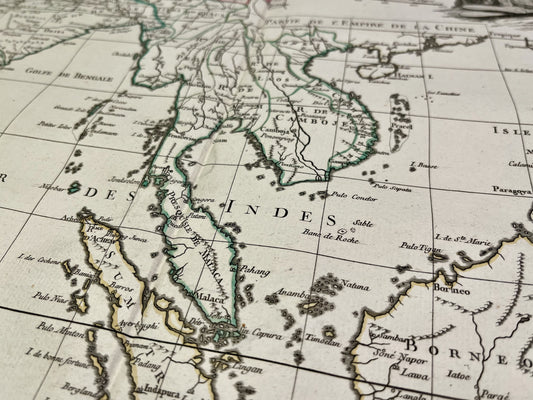
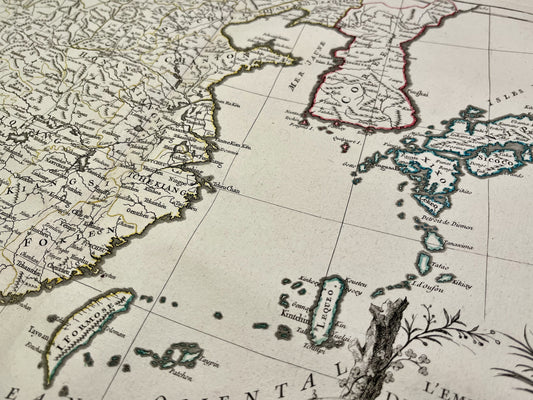
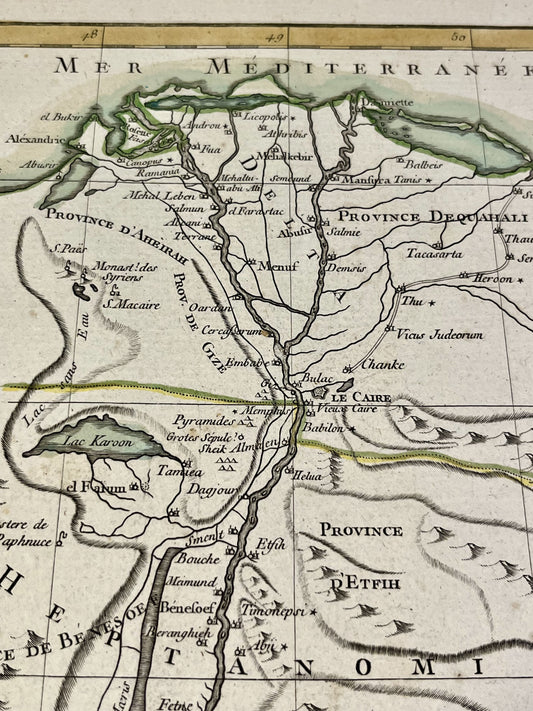
Bonne's renown rests largely on his collaboration with Abbé Raynal for the Philosophical and political history of European settlements and trade in the East and West Indies. He is also the project manager of the atlas of the Methodical Encyclopedia as well as the Portable Atlas, published with Guillaume Raynal. His maps are distinguished by a sober and functional style, where elegance resides in the precision of the line and the clarity of the nomenclature, thus breaking with the busy aesthetics of previous centuries to favour scientific accuracy.
A witness to the great explorations of the 18th century
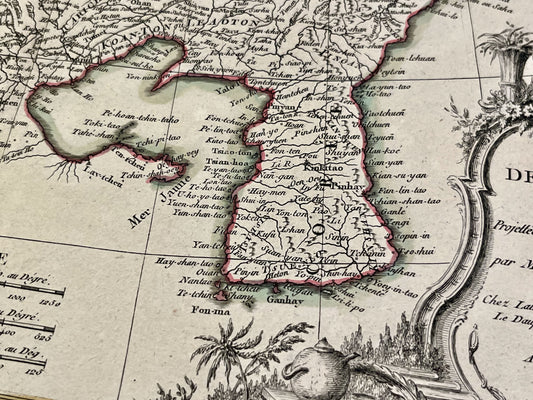
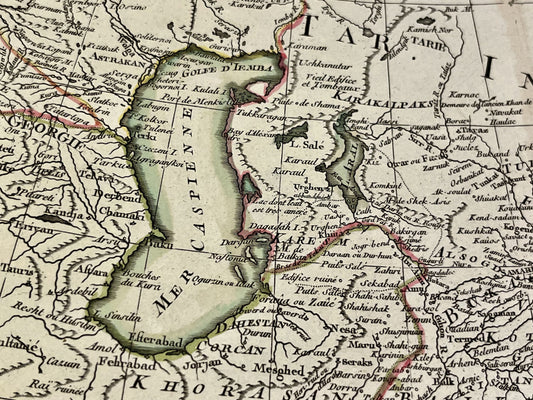
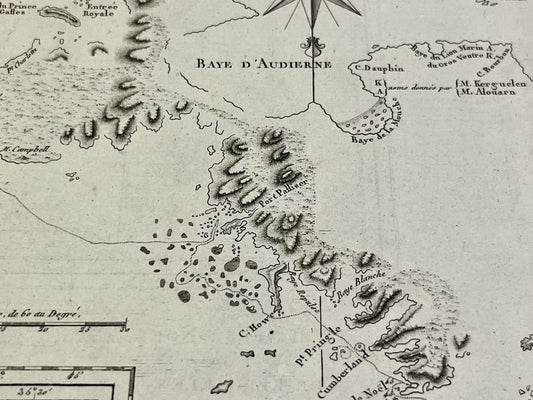
The work of Rigobert Bonne is a precious record of the discoveries of his time, including James Cook's explorations in the Pacific. His maps of America, Asia, and Africa are particularly sought after by collectors for their constant updating of the continents' borders and internal knowledge. As a transitional cartographer, he synthesized the knowledge of the Ancien Régime to pave the way for modern geography, leaving behind an exceptionally rich body of work.