Willem Blaeu: From astronomy to the leadership of the East India Company
The founder of the dynasty, Willem Blaeu, honed his scientific expertise under the tutelage of astronomer Tycho Brahe before establishing his own workshop in Amsterdam in 1599. His talent led to his appointment as the official cartographer of the Dutch East India Company (VOC) in 1633, a strategic position that afforded him privileged access to the latest geographical discoveries. A pioneer in the manufacture of globes and instruments, he revolutionized cartographic publishing with his Appendix in Mercator's catalogue, laying the foundations for what would become the most influential publishing empire of its time.
Joan Blaeu and the triumph of the Atlas Maior
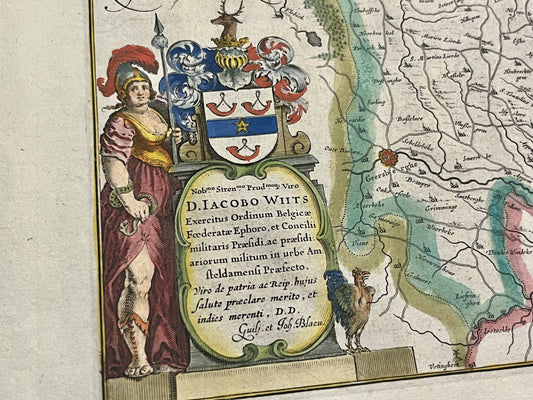
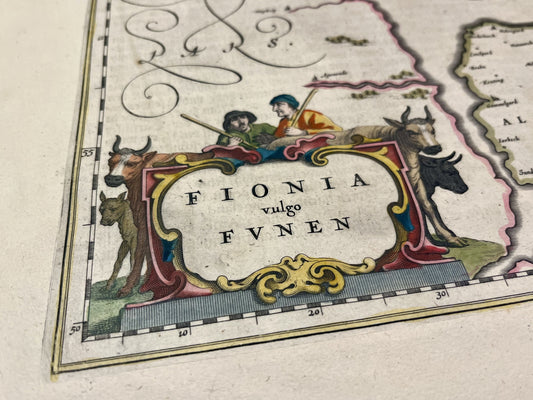
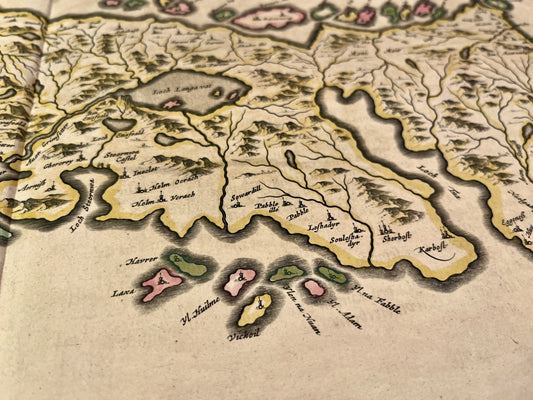
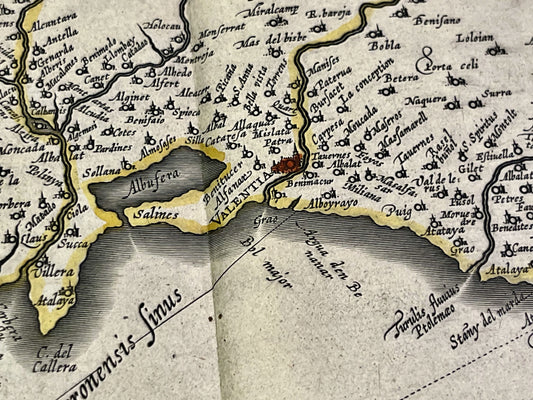
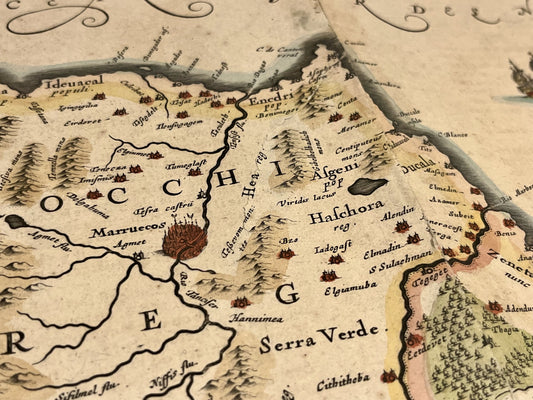
After Willem's death in 1638, his son Joan (or Johannes) took over and led the family business to unprecedented success. Under his direction, the workshop published the Atlas Maior, considered the largest and most expensive book published in the 17th century. This monumental masterpiece, available in several languages, brings together hundreds of richly illuminated maps, often enhanced with gold, illustrating the power and curiosity of the scholarly world of the time.
The legacy of a dynasty shattered by the fire of 1672
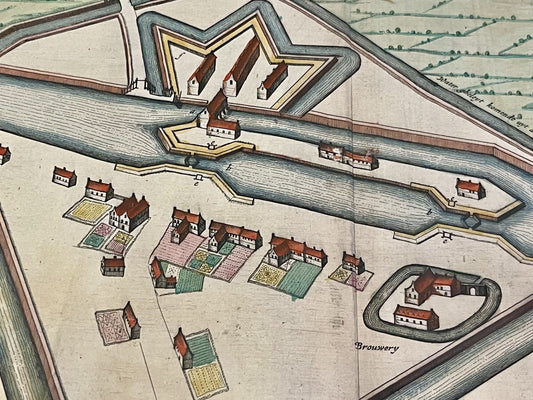
The Blaeu family's influence was not limited to terrestrial maps; their catalog included celestial globes, nautical charts, and city plans of exceptional detail. However, this dominance came to an abrupt end in 1672 with the "Gravenstraat Fire," a devastating blaze that destroyed the family printing works, a large portion of their stock, and many original copper plates. Despite this tragic end, maps signed by Blaeu remain highly sought-after by collectors for the superior quality of their paper, the clarity of their engraving, and their Baroque elegance.