-
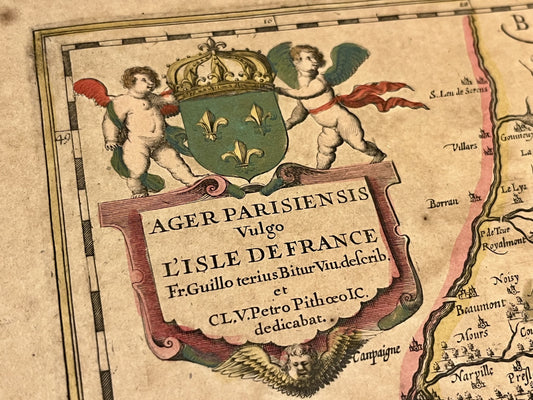
Antique map of Île-de-France by W. Blaeu - c. 1640
Regular price 140,00 €Regular priceUnit price per -
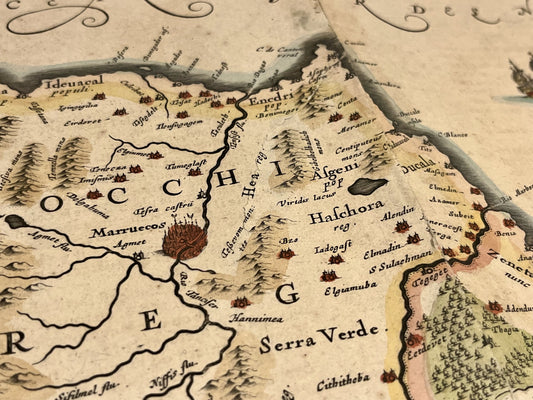
Antique map of Morocco by W. Blaeu - c. 1640
Regular price 430,00 €Regular priceUnit price per -
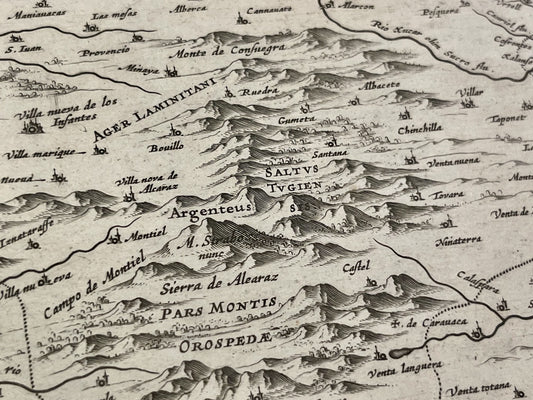
Antique map of the Kingdom of Castile - Spain - W. Blaeu - ca. 1640
Regular price 170,00 €Regular priceUnit price per -
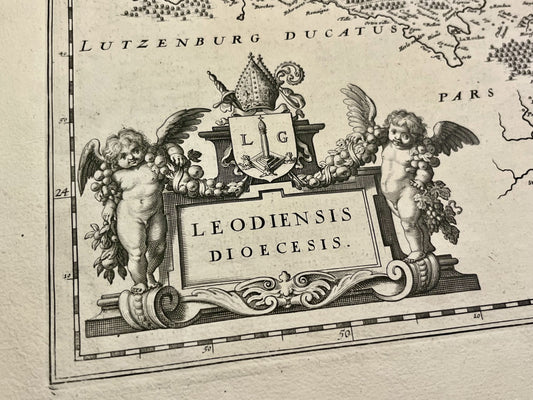
Antique map of the Diocese of Liège by W. and J. Blaeu - ca. 1630
Regular price 210,00 €Regular priceUnit price per -
Antique map of Flanders - Ghent - by J. Blaeu - ca. 1650
Regular price 260,00 €Regular priceUnit price per -
Antique map of Limburg - Belgium - by J. Blaeu - ca. 1650
Regular price 180,00 €Regular priceUnit price per -
Antique map of Passendale - Belgium - by J. Blaeu - ca. 1650
Regular price 290,00 €Regular priceUnit price per -
Antique map of Tirlemont - Belgium - by J. Blaeu - ca. 1650
Regular price 240,00 €Regular priceUnit price per -
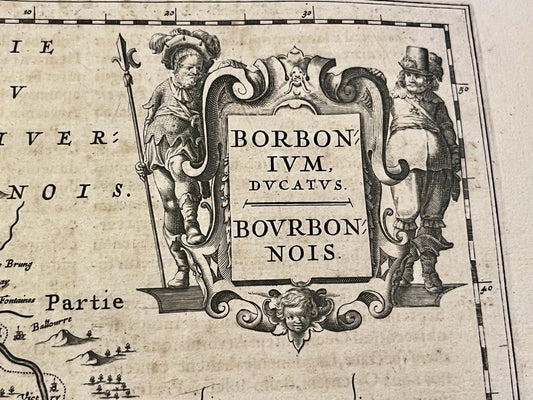
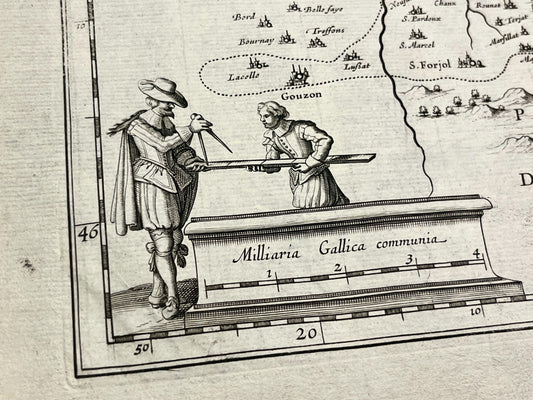
Antique map of the Bourbonnais region by J. Blaeu - ca. 1630
Regular price 160,00 €Regular priceUnit price per -
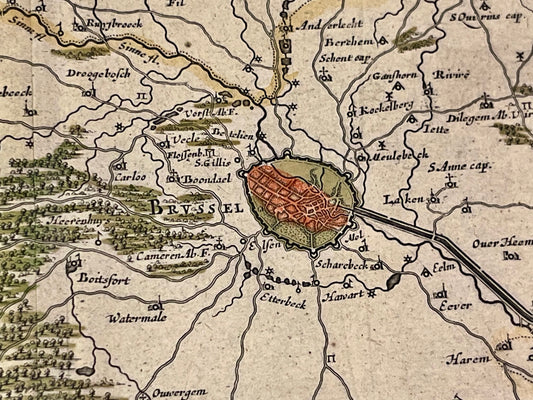
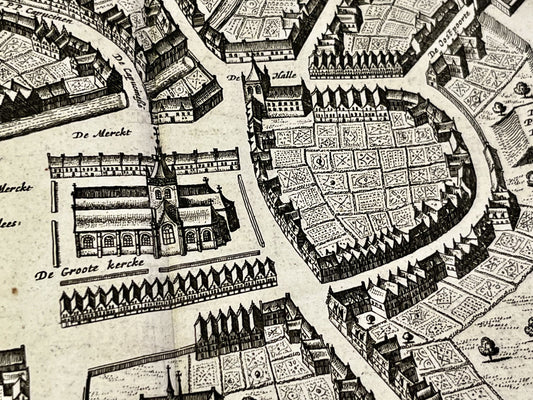
Antique map of Brabant - Brussels - by W. Blaeu - ca. 1640
Regular price 250,00 €Regular priceUnit price per -
Antique map of Bourbourg by J. and W. Blaeu - ca. 1650
Regular price 240,00 €Regular priceUnit price per -
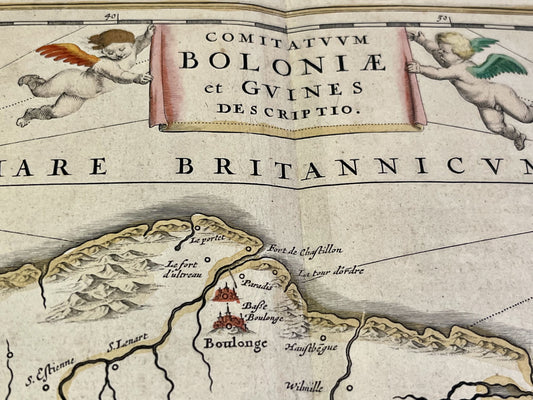
Antique map of the Counties of Boulogne and Guînes by W. Blaeu - ca 1640
Regular price 160,00 €Regular priceUnit price per -
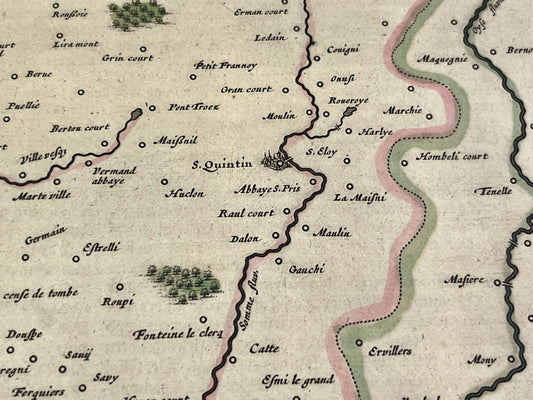
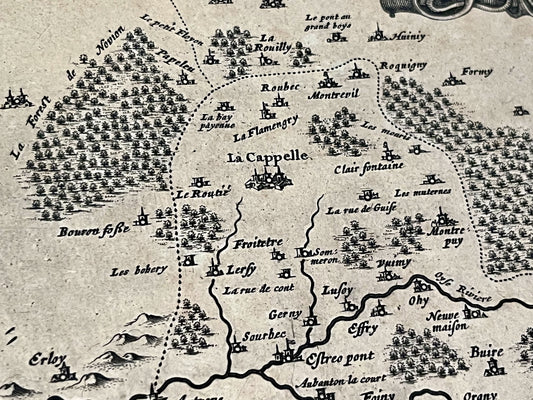
Antique map of Vermandois and the Government of La Cappelle by J. Blaeu - ca. 1660
Regular price 160,00 €Regular priceUnit price per -
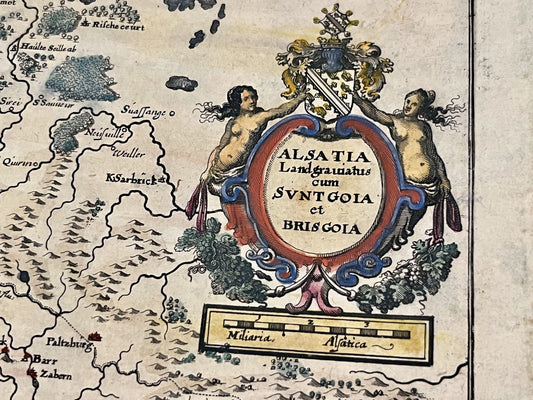
Antique map of Alsace by W. Blaeu - ca. 1640
Regular price 110,00 €Regular priceUnit price per -
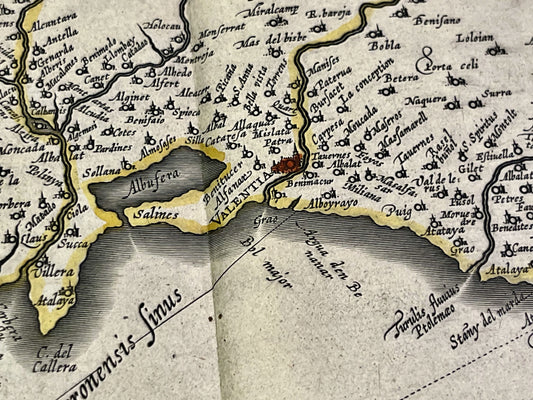
Antique map of the Kingdom of Valencia in Spain by W. Blaeu - ca. 1630
Regular price 330,00 €Regular priceUnit price per -
Antique map of Bourbonnais by J. Blaeu - ca. 1650
Regular price 140,00 €Regular priceUnit price per -
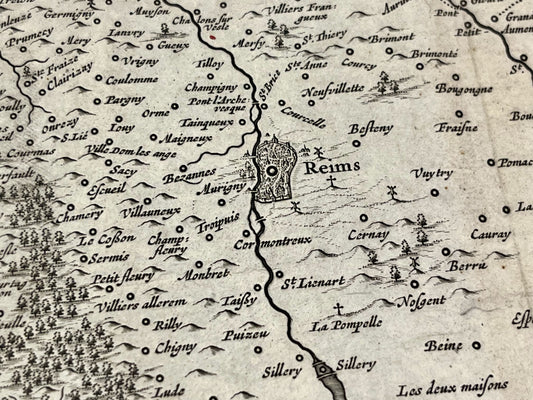
Antique map of the Diocese of Reims and the Pays de Rethel by J. Blaeu - ca. 1650
Regular price 140,00 €Regular priceUnit price per -
Antique map of Dombes by J. Blaeu - ca. 1630
Regular price 120,00 €Regular priceUnit price per -
Antique map of Vermandois and the Government of La Capelle by J. Blaeu - ca. 1660
Regular price 120,00 €Regular priceUnit price per -
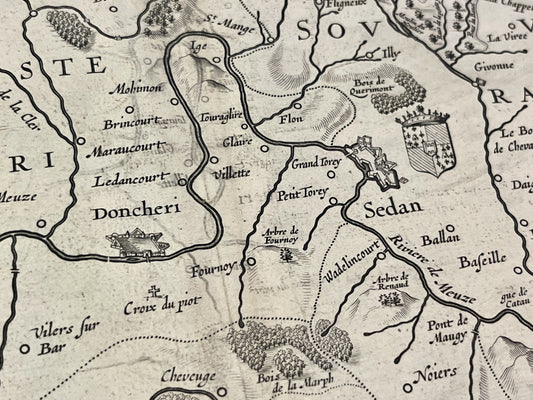
Antique map of Sedan, Raucourt and Donchery by G. Blaeu - ca. 1630
Regular price 110,00 €Regular priceUnit price per -
Antique map of Limousin by W. Blaeu - ca. 1640
Regular price 160,00 €Regular priceUnit price per -
Antique map of the Government of Île-de-France by D. de Templeux - ca. 1650
Regular price 250,00 €Regular priceUnit price per -
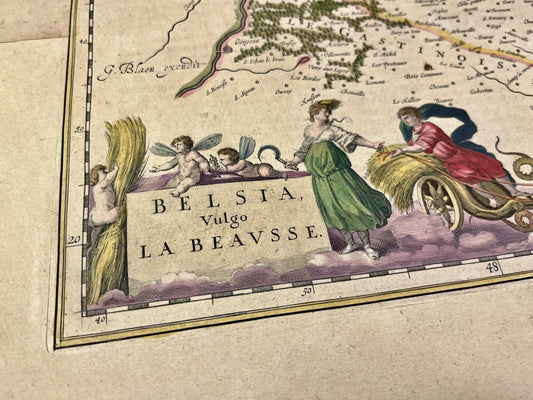
Antique map of Beauce by J. Blaeu - ca. 1640
Regular price 180,00 €Regular priceUnit price per -
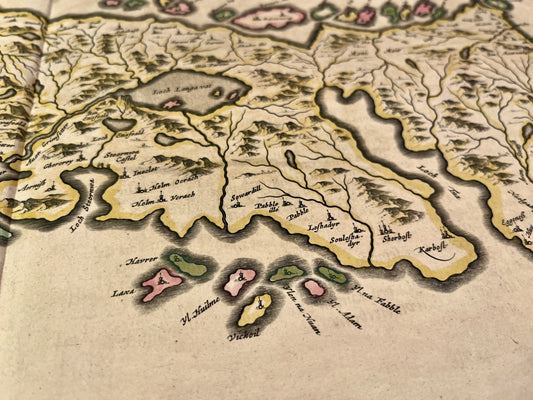
Antique map of Scotland, Isle of Lewis and Harris, by J. Blaeu - ca. 1650
Regular price 300,00 €Regular priceUnit price per