-
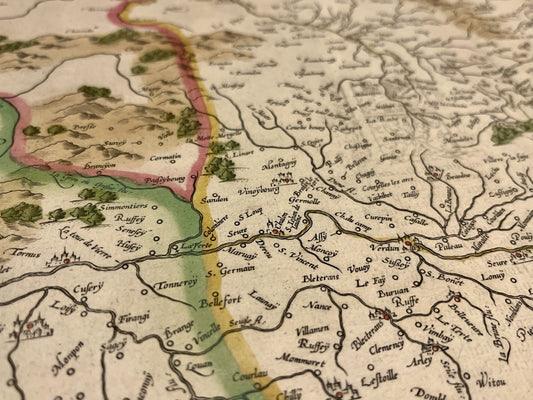
Carte ancienne de la Bourgogne par G. Mercator - ca. 1610
Regular price 220,00 €Regular priceUnit price per -
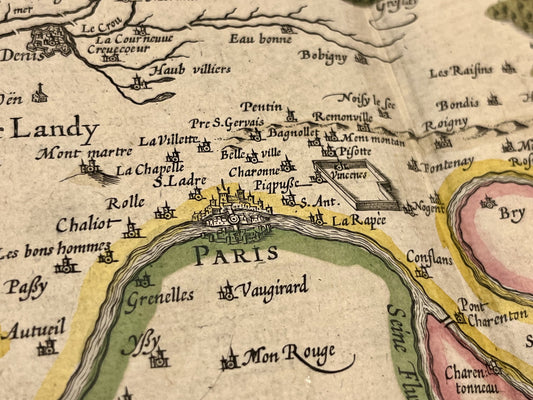
Antique map of Île-de-France by J. Hondius - c. 1610
Regular price 220,00 €Regular priceUnit price per -
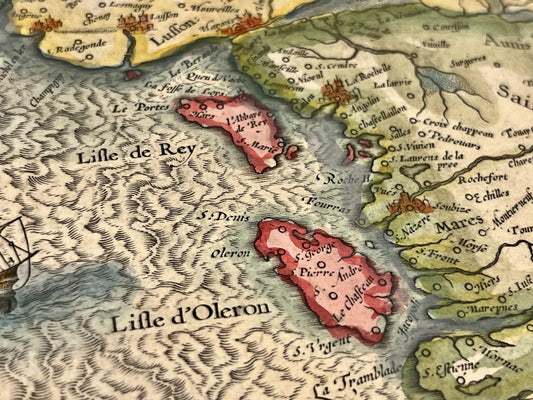
Antique map of Poitou by G. Mercator - c. 1610
Regular price 310,00 €Regular priceUnit price per -
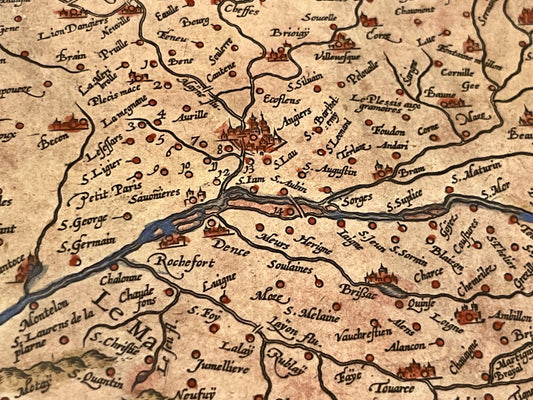
Antique map of Anjou by G. Mercator - ca. 1610
Regular price 280,00 €Regular priceUnit price per -
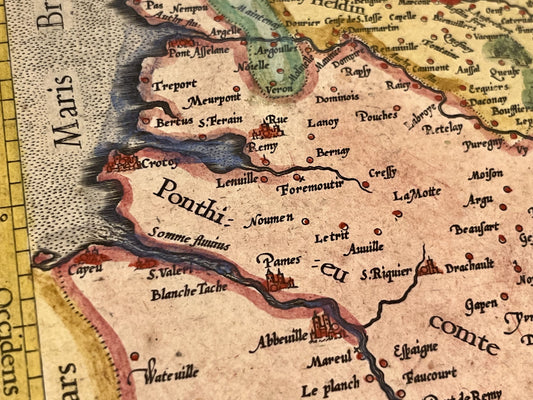
Antique map of Artois by G. Mercator - c. 1610
Regular price 250,00 €Regular priceUnit price per -
Antique map of Southern France by G. Mercator - ca. 1610
Regular price 320,00 €Regular priceUnit price per -
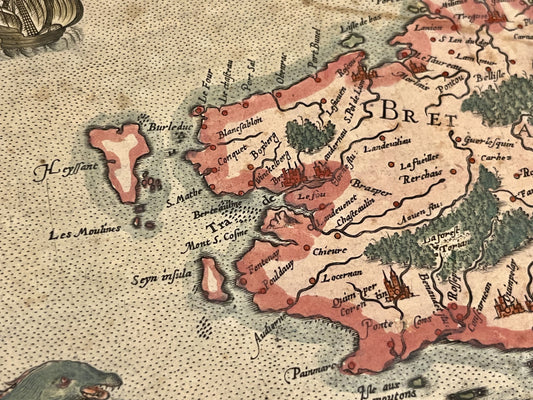
Antique map of Brittany and Normandy by G. Mercator - c. 1610
Regular price 390,00 €Regular priceUnit price per -
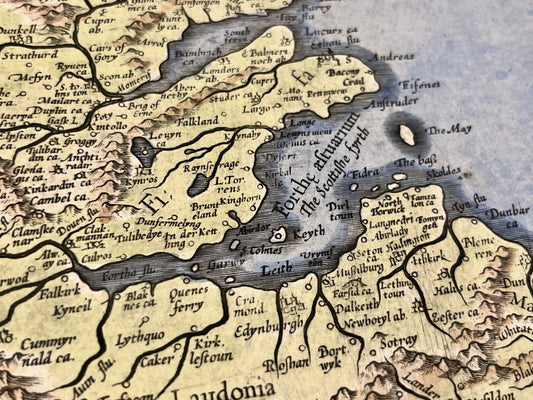
Antique map of Southern Scotland by G. Mercator and H. Hondius - c. 1640
Regular price 320,00 €Regular priceUnit price per -
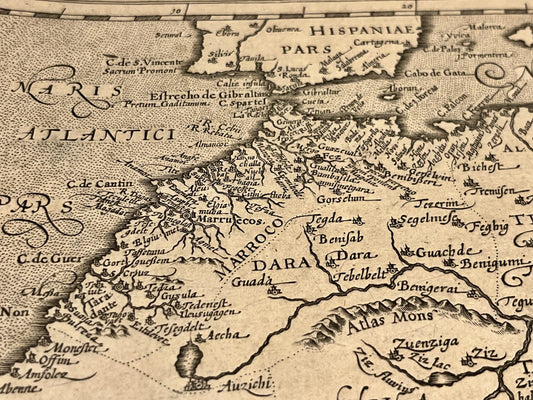
Antique map of North Africa by G. Mercator and H. Hondius - c. 1630
Regular price 320,00 €Regular priceUnit price per -
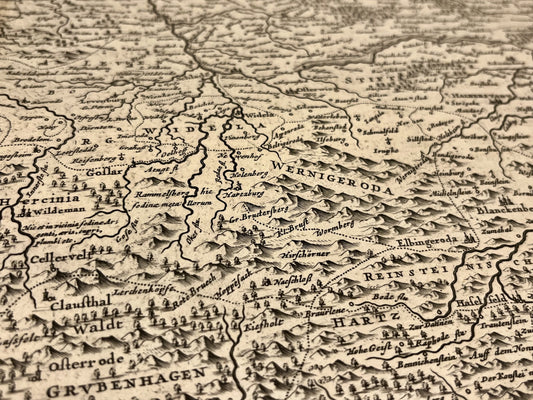
Antique Map of the Duchy of Brunswick and Lüneburg - Germany - by H. Hondius - c. 1650
Regular price 100,00 €Regular priceUnit price per -
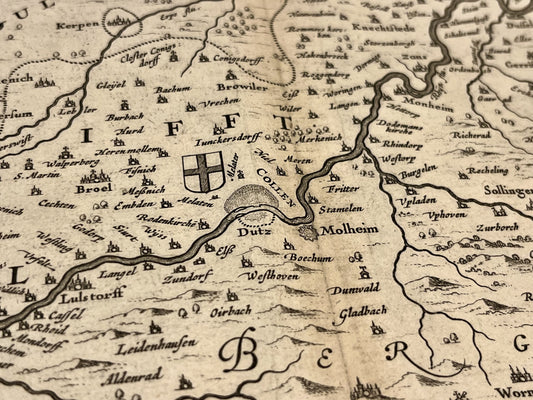
Antique map of the Archbishopric of Cologne - Germany - by H. Hondius - ca. 1630
Regular price 90,00 €Regular priceUnit price per -
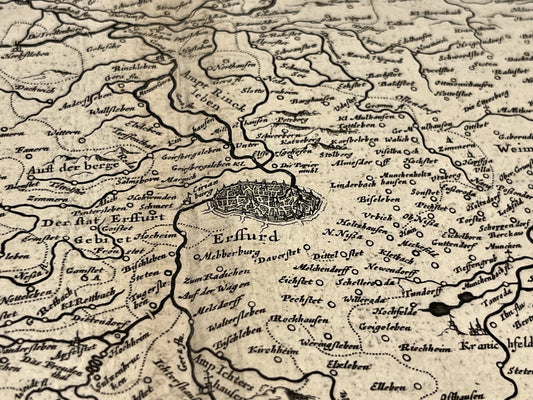
Antique Map of Thuringia - Germany - by H. Hondius - ca. 1650
Regular price 100,00 €Regular priceUnit price per -
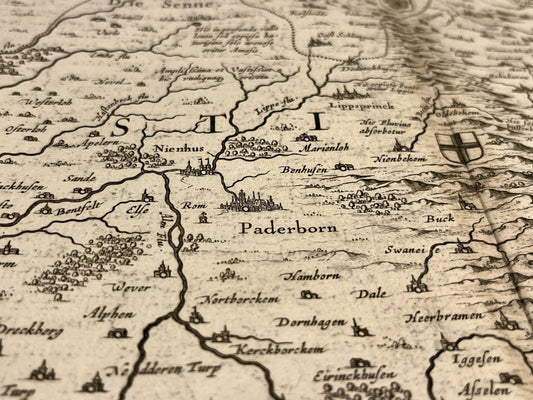
Antique map of the Bishopric of Paderborn - Germany - by H. Hondius - c. 1630
Regular price 110,00 €Regular priceUnit price per -
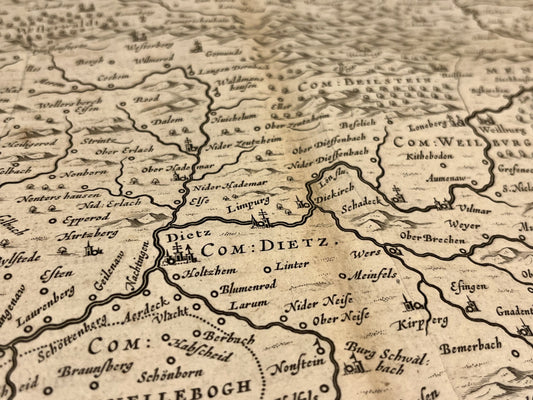
Antique map of the County of Nassau - Germany - by H. Hondius - ca. 1630
Regular price 110,00 €Regular priceUnit price per -
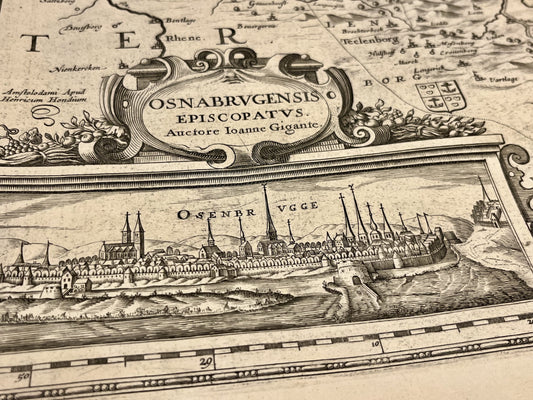
Antique map of the Bishopric of Osnabrück - Germany - by I. Gigante - ca. 1630
Regular price 120,00 €Regular priceUnit price per -
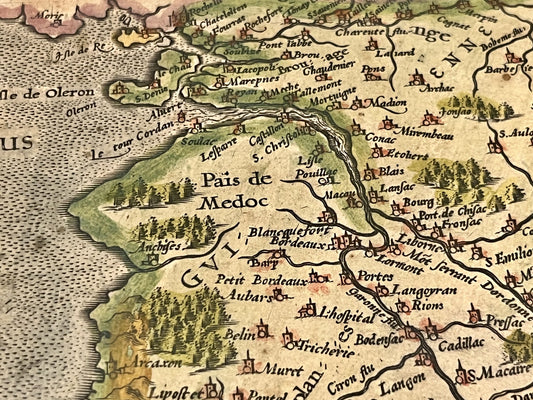
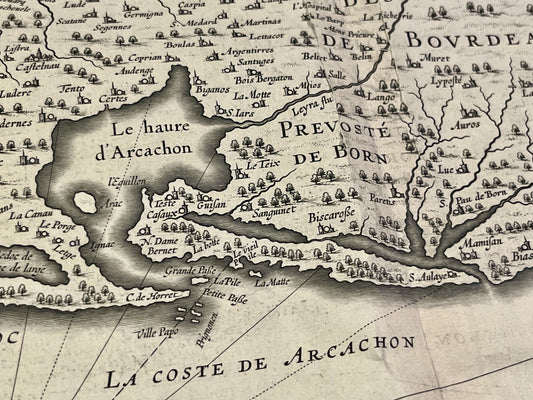
Antique map of the Bordeaux region, the Médoc, and the Provostship of Born by J. Hondius - ca. 1640
Regular price 220,00 €Regular priceUnit price per -
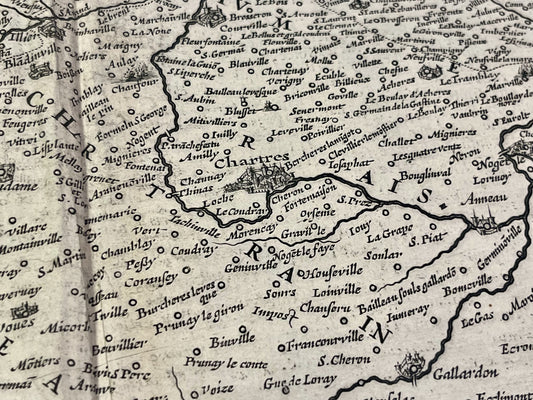
Antique map of the Beauce region by H. Hondius - ca. 1650
Regular price 150,00 €Regular priceUnit price per -
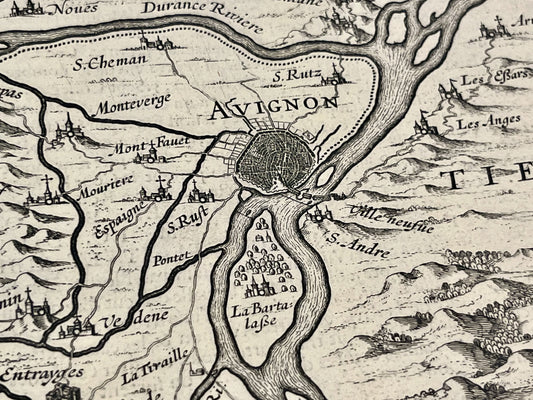
Antique map of the Principality of Orange and the Comtat Venaissin by H. Hondius - 1627
Regular price 250,00 €Regular priceUnit price per -
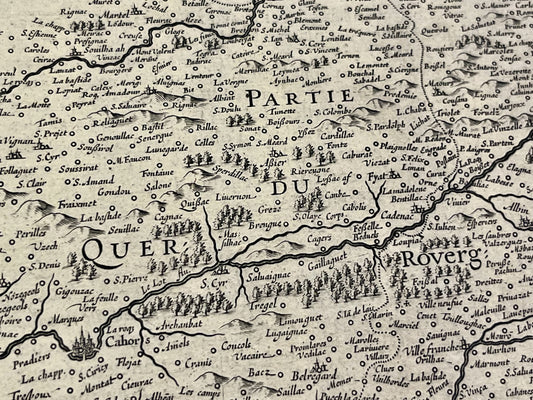
Antique map of Languedoc - Northern part - by H. Hondius - ca. 1620
Regular price 190,00 €Regular priceUnit price per -
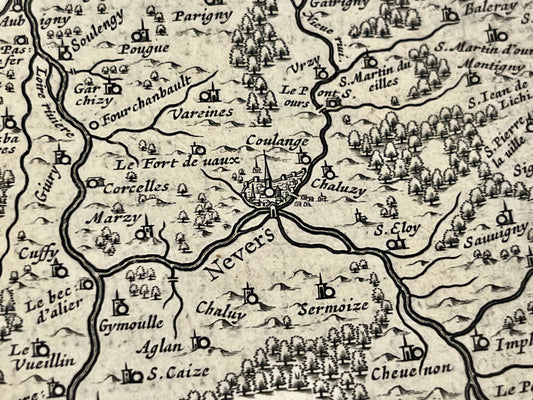
Antiue map of the Nivernais region by H. Hondius - ca. 1630
Regular price 170,00 €Regular priceUnit price per -
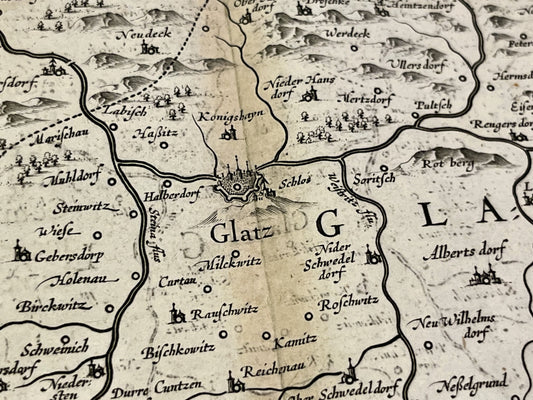
Carte ancienne du Comté de Glatz - Klodzko - par H. Hondius - ca. 1630
Regular price 160,00 €Regular priceUnit price per -
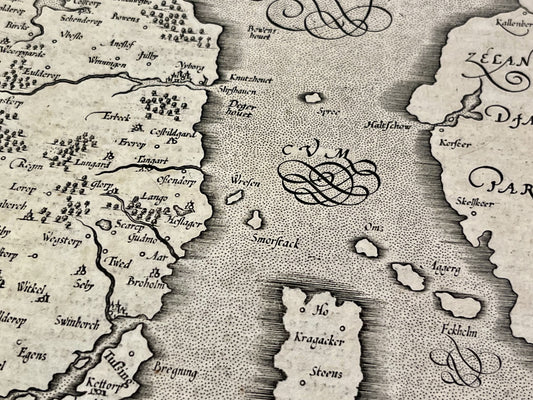
Antique map of Funen, Denmark, by G. Mercator and H. Hondius - ca. 1630
Regular price 160,00 €Regular priceUnit price per -
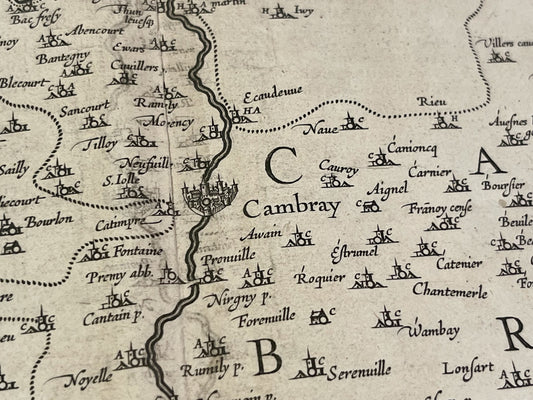
Antique map of the Archbishopric of Cambrai by H. Hondius - ca. 1640
Regular price 100,00 €Regular priceUnit price per -
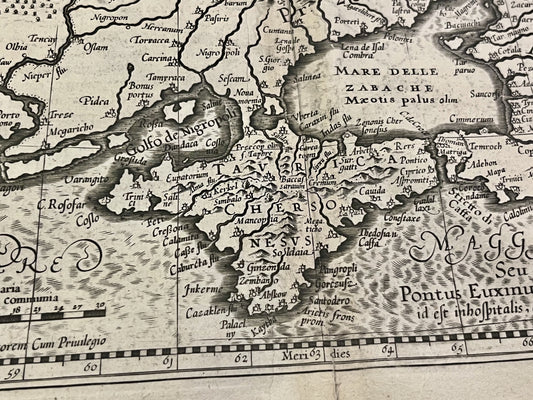
Antique map of Ukraine by G. Mercator and J. Hondius - ca. 1620
Regular price 220,00 €Regular priceUnit price per